How to Get Around Italy: Public Transport, Trains, and Mistakes to Avoid
Planning a trip to Italy opens the door to one of the most fascinating travel adventures in the world! Walking through streets filled with history, admiring landmarks, and enjoying world-class cuisine is a dream come true.
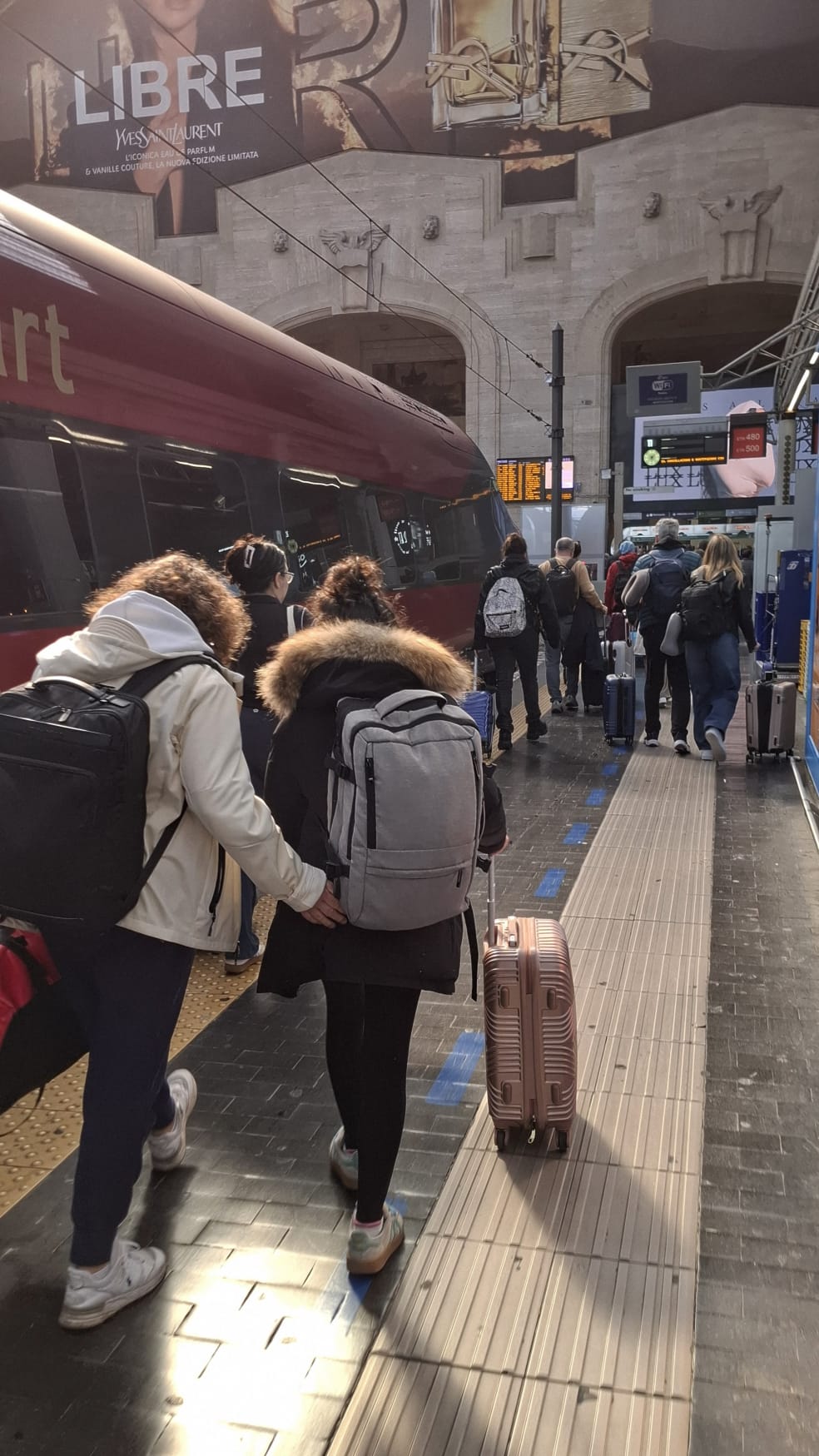
However, to make sure the experience goes smoothly without unexpected headaches, mastering local transportation is key.
Italy features a fantastic public transport network connecting major metropolises to hidden villages. However, every city has its own set of rules, payment systems, and procedures that can cost you time and money. After traveling extensively across Rome, Florence, Milan, and Naples, we’ve gathered our hands-on experiences, practical tips, and everyday tricks to help you travel like a local. Pack your bags and let’s get started!
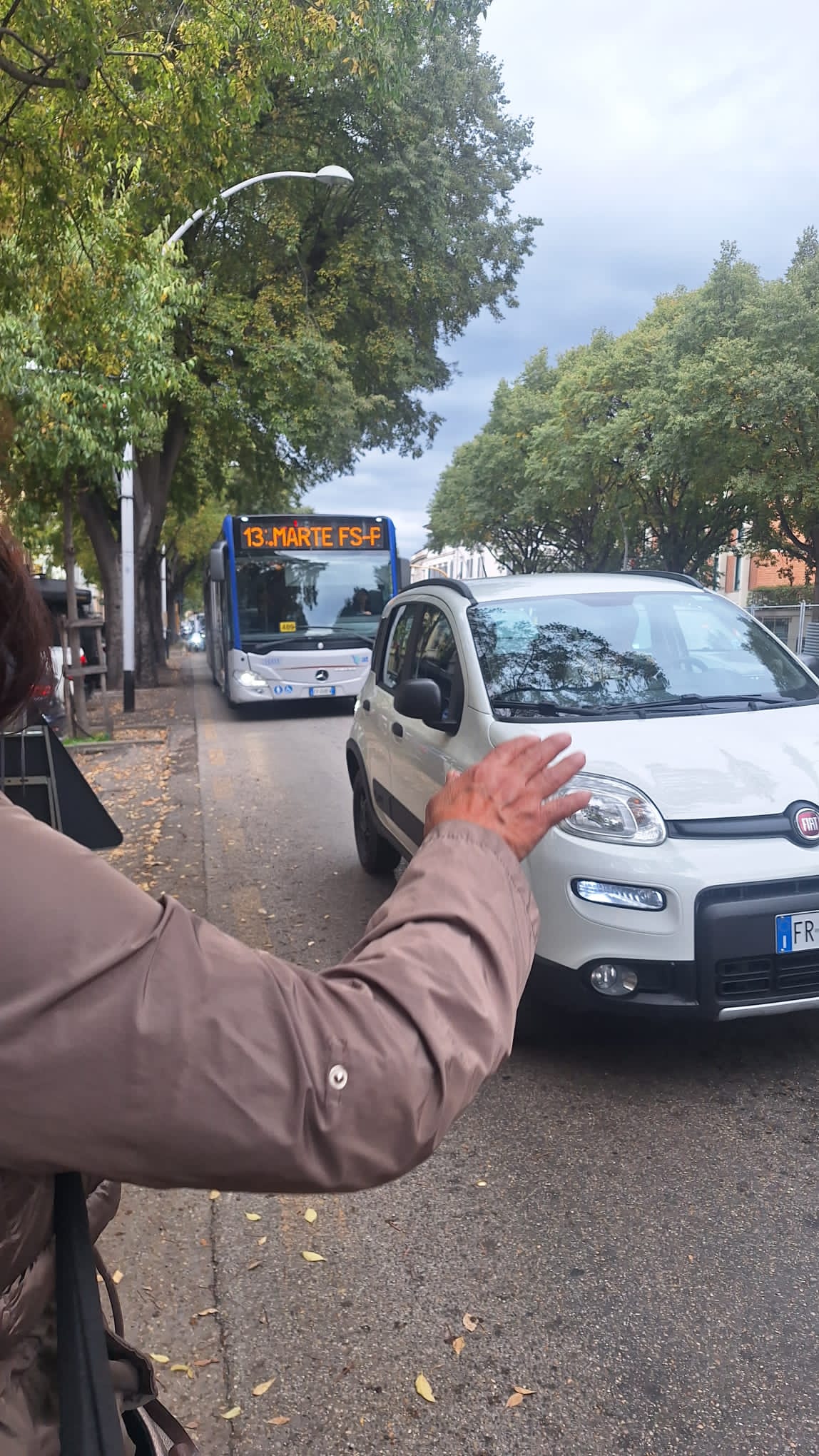
Table of Contents
Rome: Essential Transit… and a Bit Chaotic
Rome is huge. Here, you will definitely rely on public transit. Google Maps works surprisingly well for combining subways and buses, though there are key details you should keep in mind before stepping onboard.
Tap & Go: Paying with Contactless Cards or Phones
Rome features a "Tap & Go" system. You can pay by tapping your contactless card, Apple Pay, or Google Pay directly on the red readers located on buses and metro turnstiles. The ticket is valid for 100 minutes.
BUT BE AWARE: Each card or phone can only be used by one passenger, and charges sometimes appear 24 to 48 hours later. This happened to us with several international cards. The problem? Ticket inspectors are frequent and might request proof of payment. If the charge hasn't posted in your banking app yet, it can lead to unnecessary hassle. To avoid arguments during subsequent rides, we preferred purchasing physical tickets. While Tap & Go is convenient, traditional paper tickets gave us complete peace of mind.
Buying Tickets at "Tabacchi" Shops or Metro Vending Machines
The simplest choice for us was buying paper tickets at local "Tabacchi" (authorized tobacco shops marked with a prominent white 'T' sign). Pro tip: buy several tickets in advance—finding an open newsstand late at night in Rome can be nearly impossible.
A CRITICAL Rule About the Metro in Rome
Standard tickets last for 100 minutes, but follow a strict rule: you get unlimited bus transfers, BUT only ONE metro entry. If you exit through the metro turnstiles and want to re-enter, you need a brand-new ticket—even if you are still within the 100-minute window. Furthermore, if you board a bus after exiting the metro, you must validate your ticket again. If you plan to take multiple subway rides in a single day, consider purchasing a 24-hour or 48-hour pass with unlimited entries.
Validating Tickets on Buses
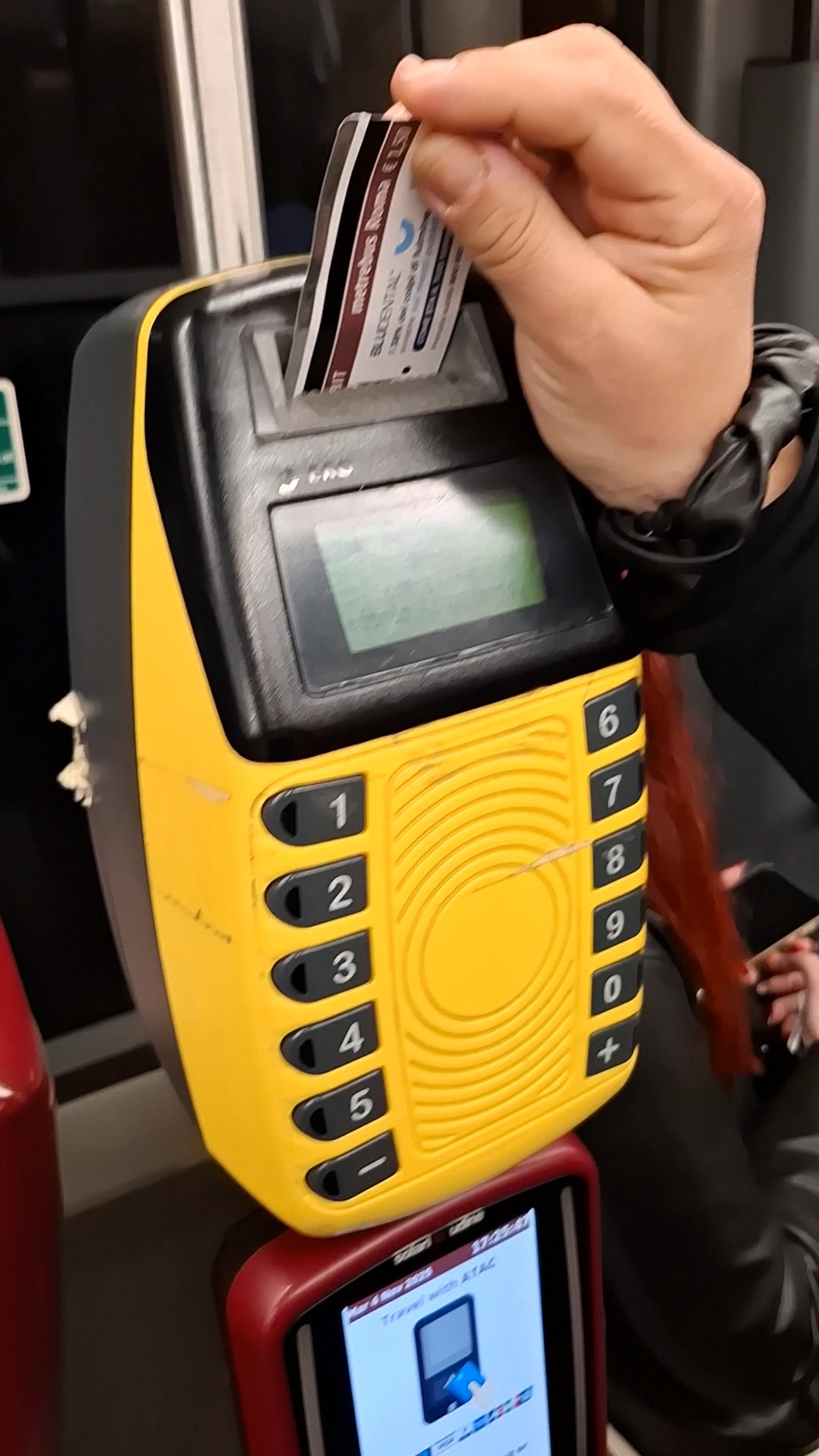
On Roman buses, physical tickets are validated using yellow machines located near the doors. Practical advice: if the bus is crowded, try boarding through the rear door. We once boarded at the front and had to push through the crowd just to validate our tickets before an inspector arrived.
Are Day Passes Worth It?
24-hour, 48-hour, and multi-day passes are available. We rarely used them because we walked heavily and seldom took more than 2 or 3 rides per day.
Milan and Its Historic Trams
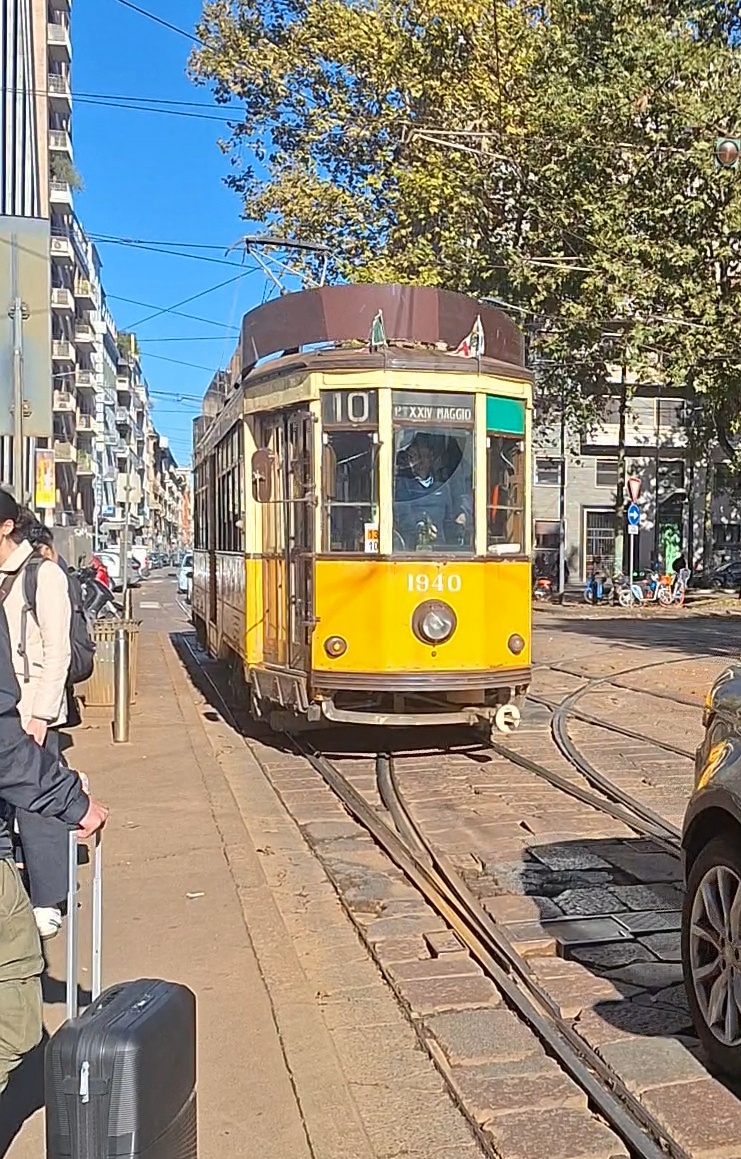
A standard single ticket in Milan is valid for 90 minutes across subways, buses, and trams. Riding the city's iconic yellow historic trams is both a transit method and a classic sightseeing experience.
Payment Options
You can pay using contactless credit cards, Apple Pay, Google Pay, or buy physical tickets at Tabacchi shops and metro station kiosks. Tapping contactless is straightforward, though physical tickets remain a hassle-free option during ticket inspections.
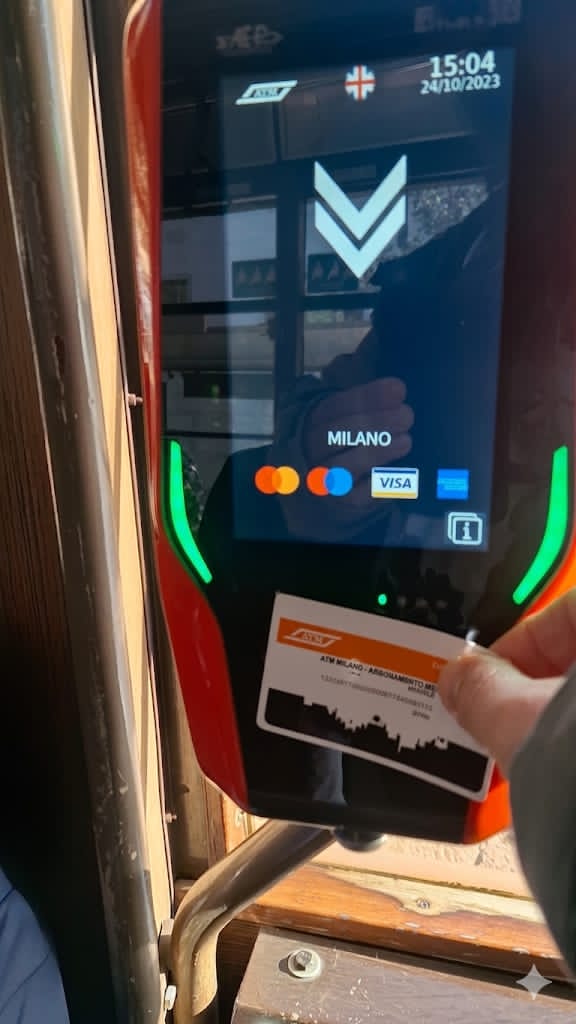
Unlike Rome, the ticket validators in Milan handle contactless payment, physical paper tickets, and travel cards smoothly on the same unit.
Accepted contactless payment networks include Mastercard, Visa, American Express, and Maestro.
Florence: A City Where You Hardly Need Transit
Florence is extremely walkable. Most travelers will rarely need public transportation within the historic center. We only took a bus to get up to Piazzale Michelangelo for sunset and opted to walk back down to enjoy the scenery.
The system works similarly to Milan: 90-minute tickets valid across buses and trams. Fun fact: we actually had unused paper tickets left over because walking was simply so pleasant and convenient!
Getting from Rome Airports to the City Center
Leonardo Express
Connects Leonardo da Vinci (Fiumicino - FCO) airport directly to Roma Termini central station. Key advantages: non-stop, fast (~35 minutes), and comfortable, though slightly pricier than buses. Children travel free or at discounted rates depending on age.
Tickets can be purchased online via Omio, at airport vending kiosks, or at ticket counters right inside the airport station.
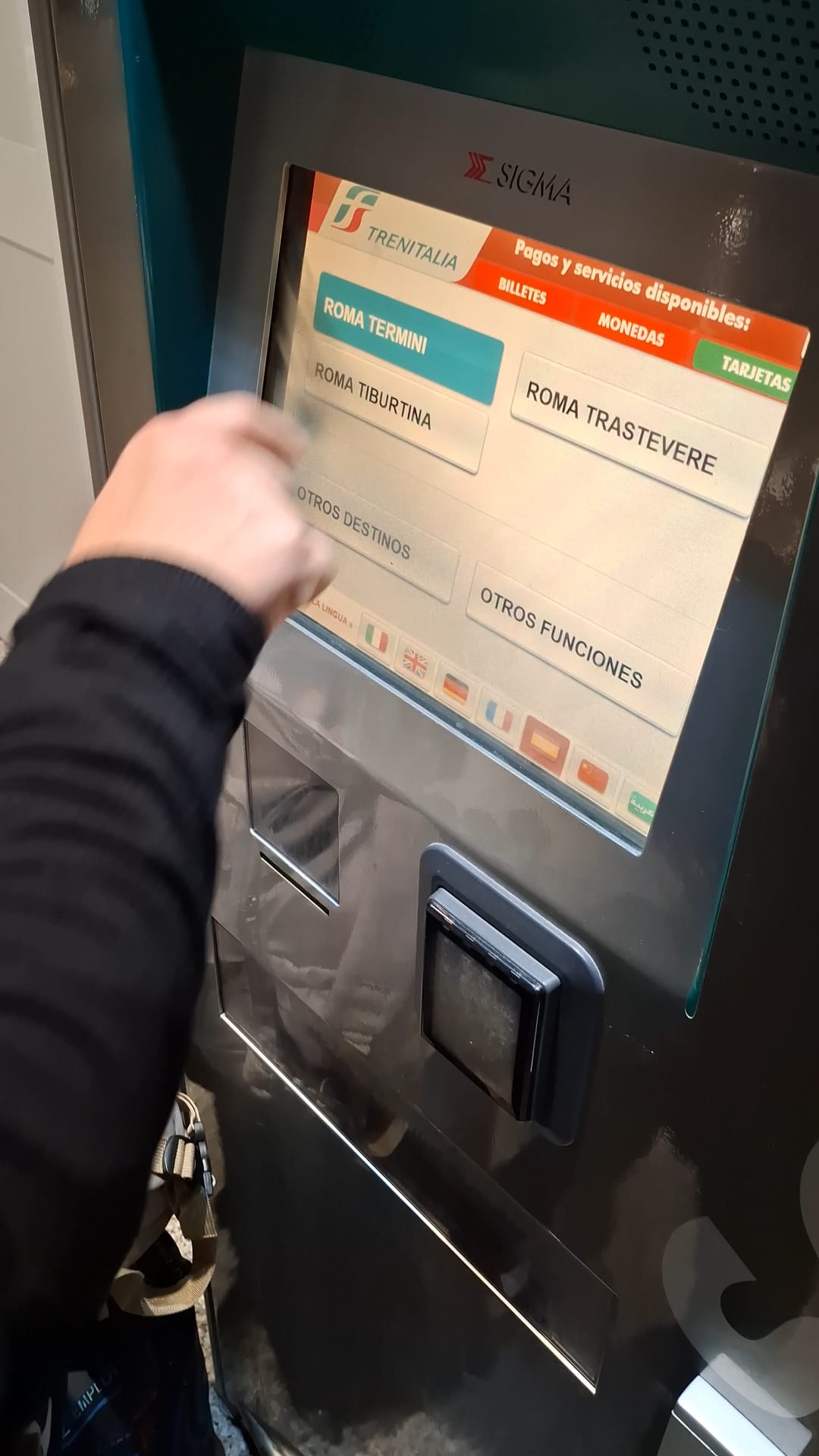
Regional FL1 Train
The Regional FL1 train is slower and cheaper than the Express. Operated by Trenitalia, it's ideal if your accommodation is in other parts of Rome, making key stops at Roma Trastevere, Roma Ostiense, Roma Tuscolana, and Roma Tiburtina (Note: this train does NOT go to Termini Station).
Shuttle Buses
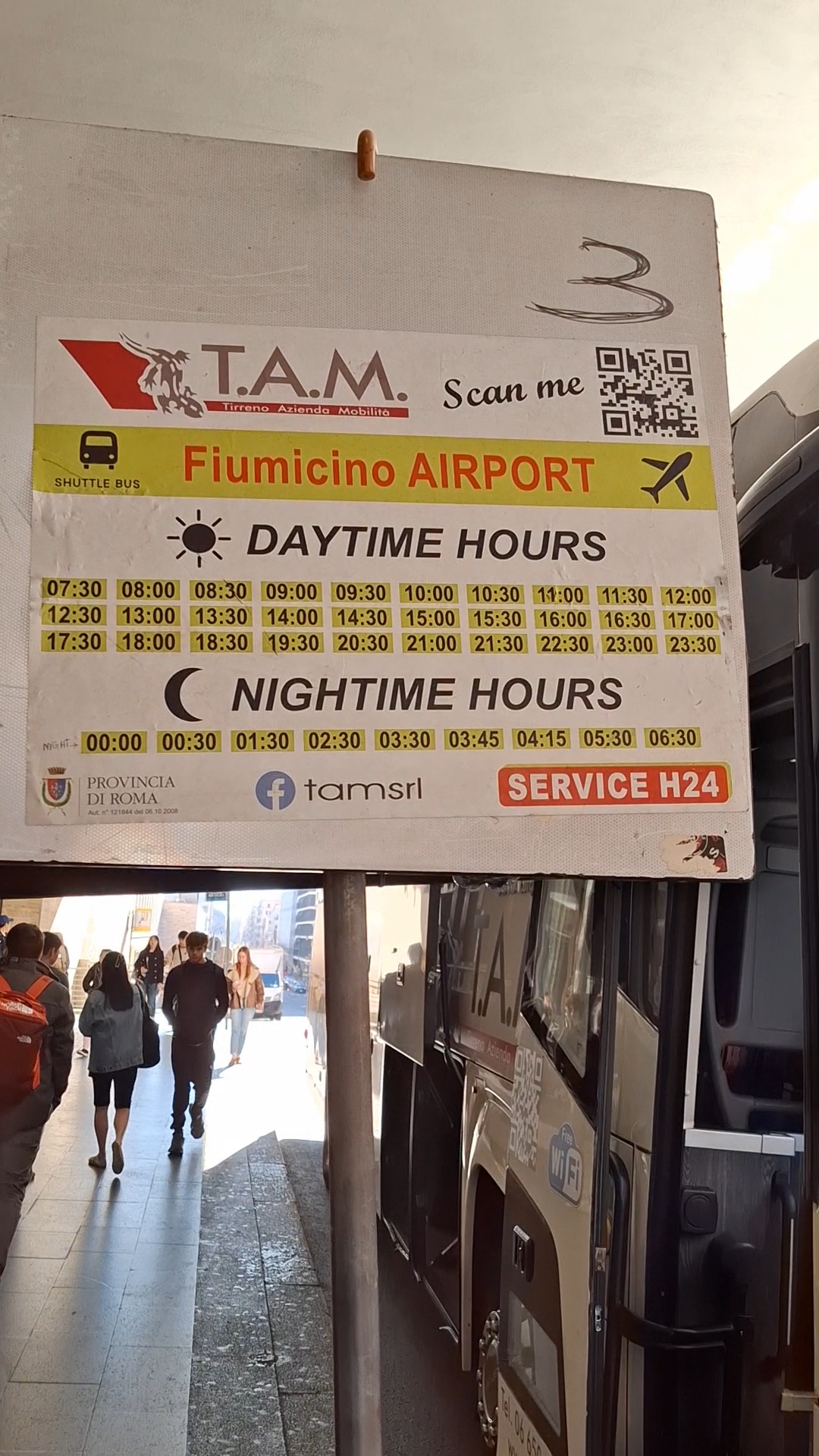
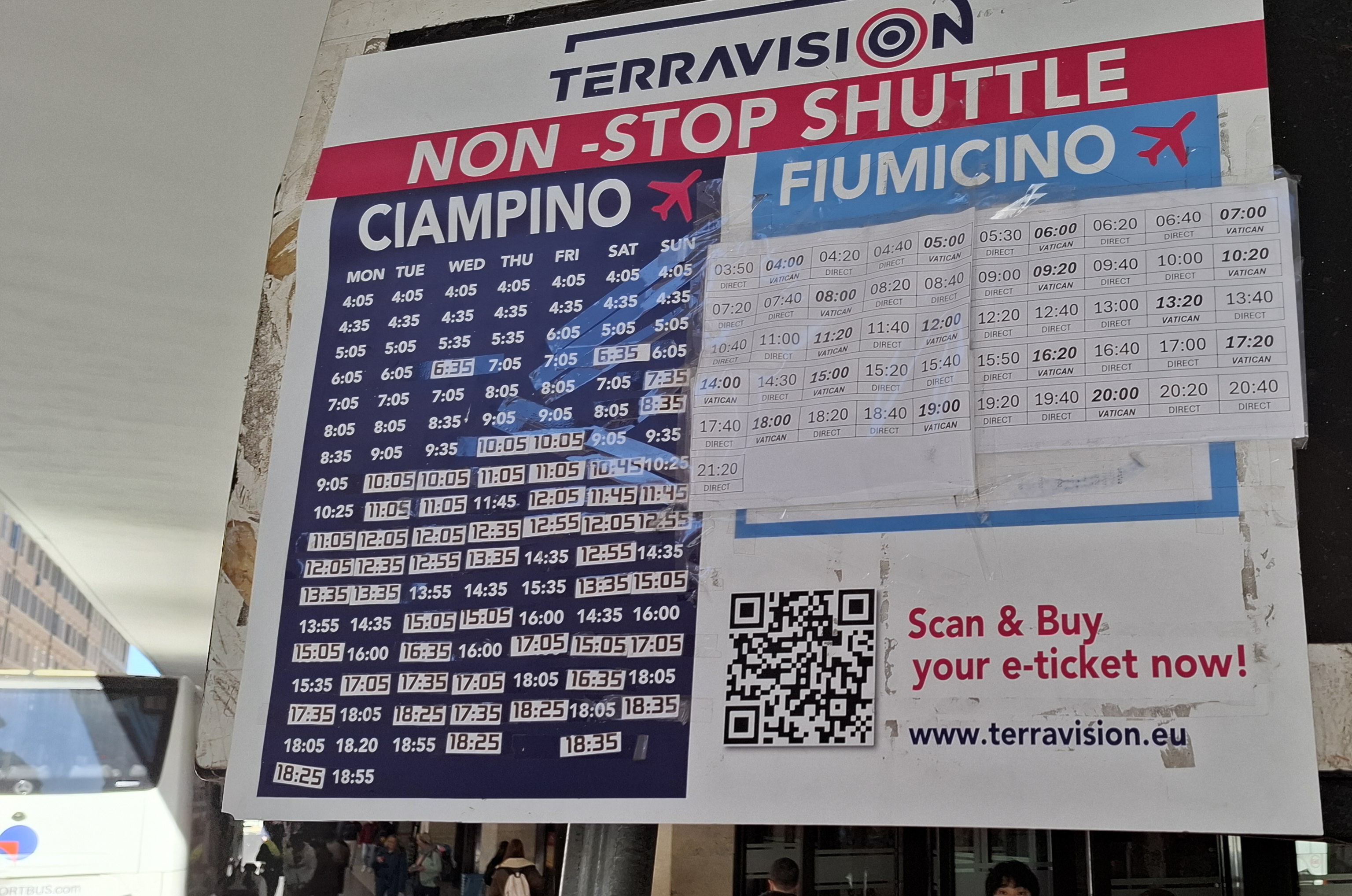
Airport shuttle buses run between Termini Station and both Fiumicino (FCO) and Ciampino (CIA) airports. They are significantly cheaper, though less predictable during rush-hour traffic. Multiple providers operate outside Termini near Mercato Centrale. Tickets can be bought directly at bus stops or booked in advance via Omio.
Trains in Italy: What You Really Need to Know
Traveling between Italian cities by train is efficient and scenic. We rely heavily on rail travel for city-to-city transfers. You will encounter three primary service tiers:
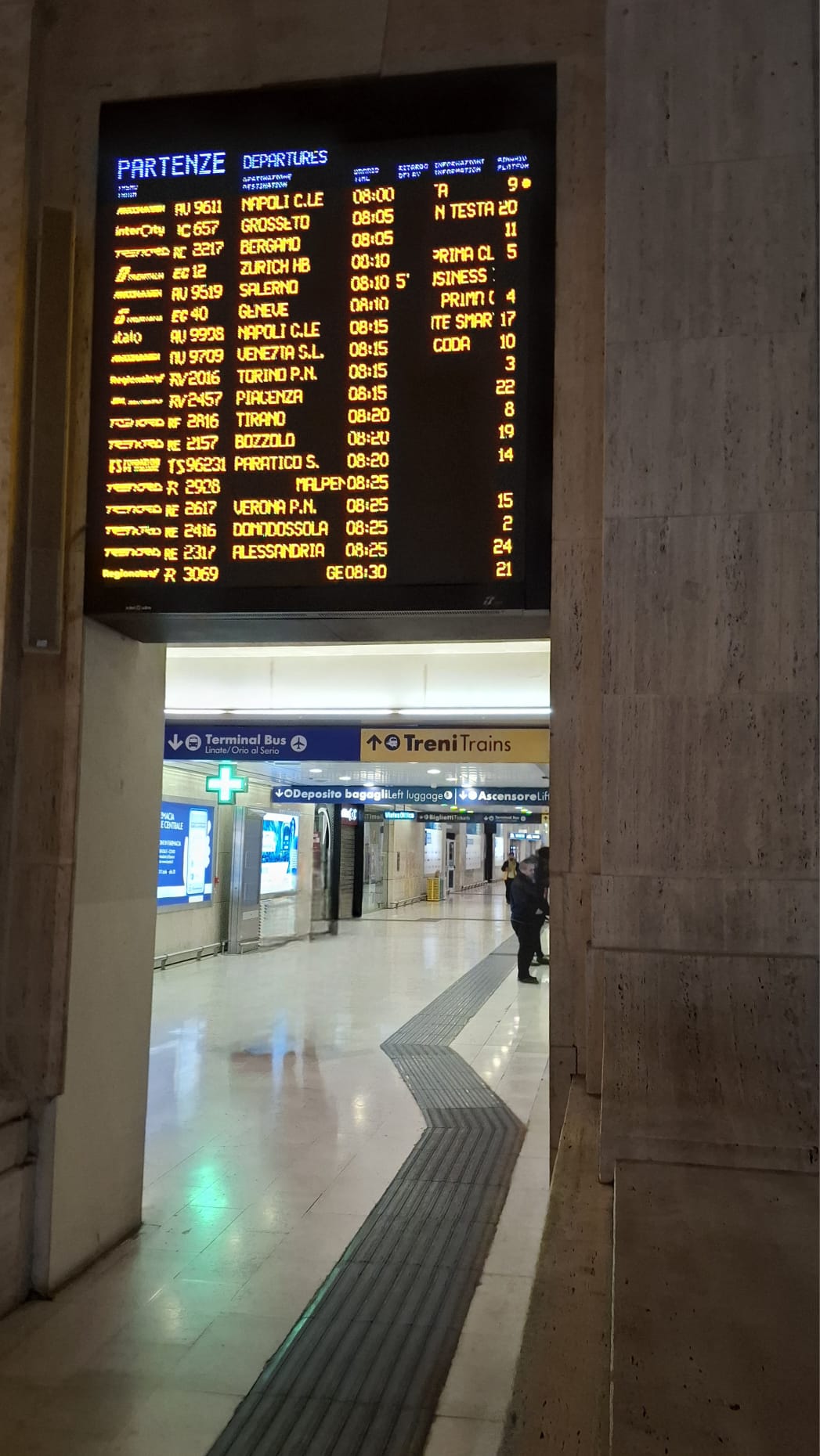
High-Speed Trains: Frecciarossa & Italo
Ideal for quickly connecting major hubs like Rome, Florence, Milan, Venice, and Naples. They are fast, comfortable, and reserved-seat only. Golden Rule: the earlier you book, the lower the fares. Arrive 15–20 minutes before departure at major stations to locate your platform on the departure board.
Regional Trains (Regionale): Slower & Budget-Friendly
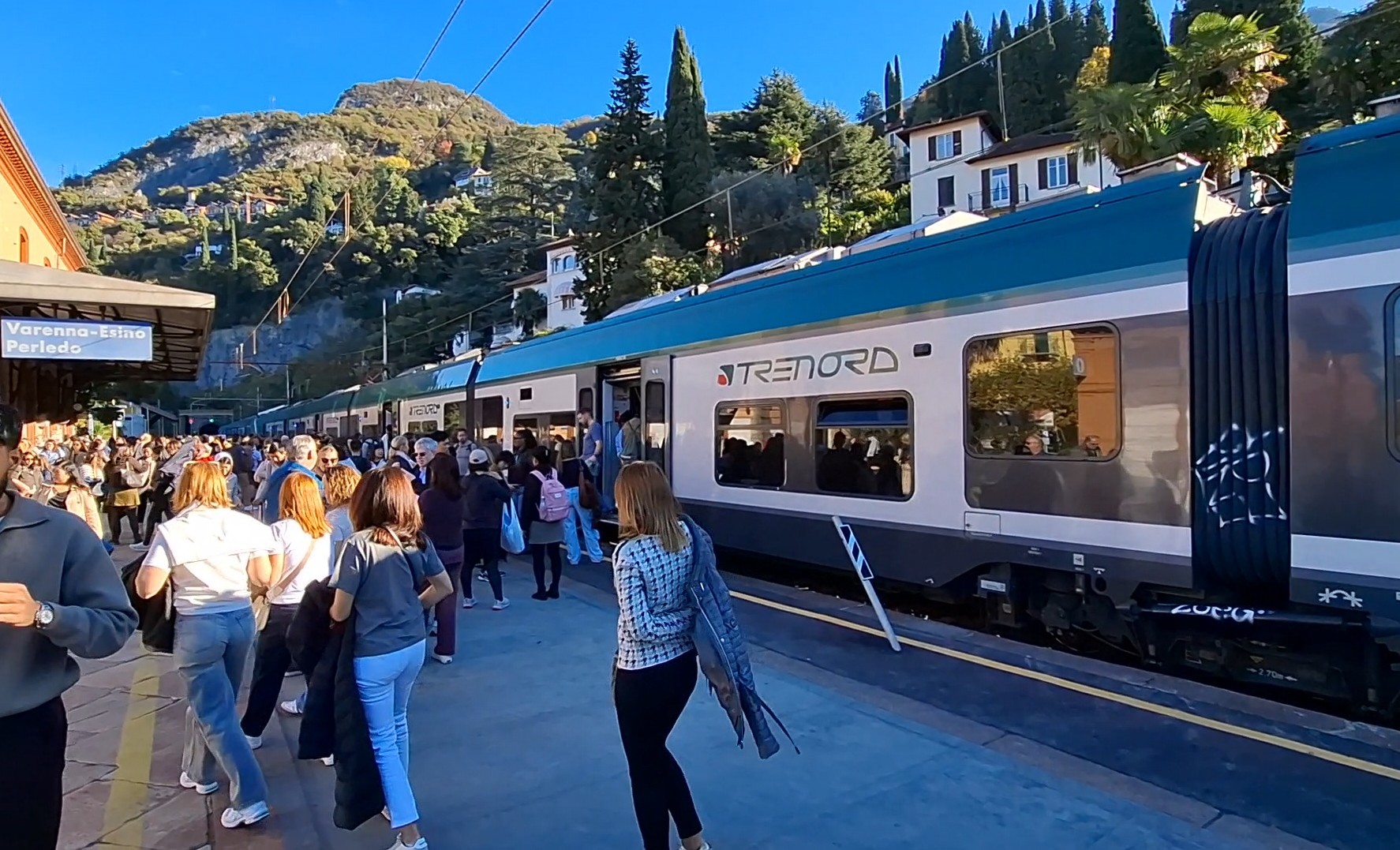
Regional trains operate on different logic. Tickets generally do not assign specific seats, and if you miss your scheduled departure, tickets often allow flexible use within a specific time window. During peak hours, trains can fill up. Physical tickets must be purchased at station ticket counters or vending machines. Platforms like Omio offer digital tickets without extra fees on short regional connections.
CRITICAL STEP: Validating Regional Tickets
You MUST validate physical regional tickets at small green or yellow validation machines located along station platforms before boarding. Failure to validate results in immediate, heavy fines. Insert the paper ticket until you hear the stamp noise and see the green light. Double-check that the timestamp printed clearly on the margin.
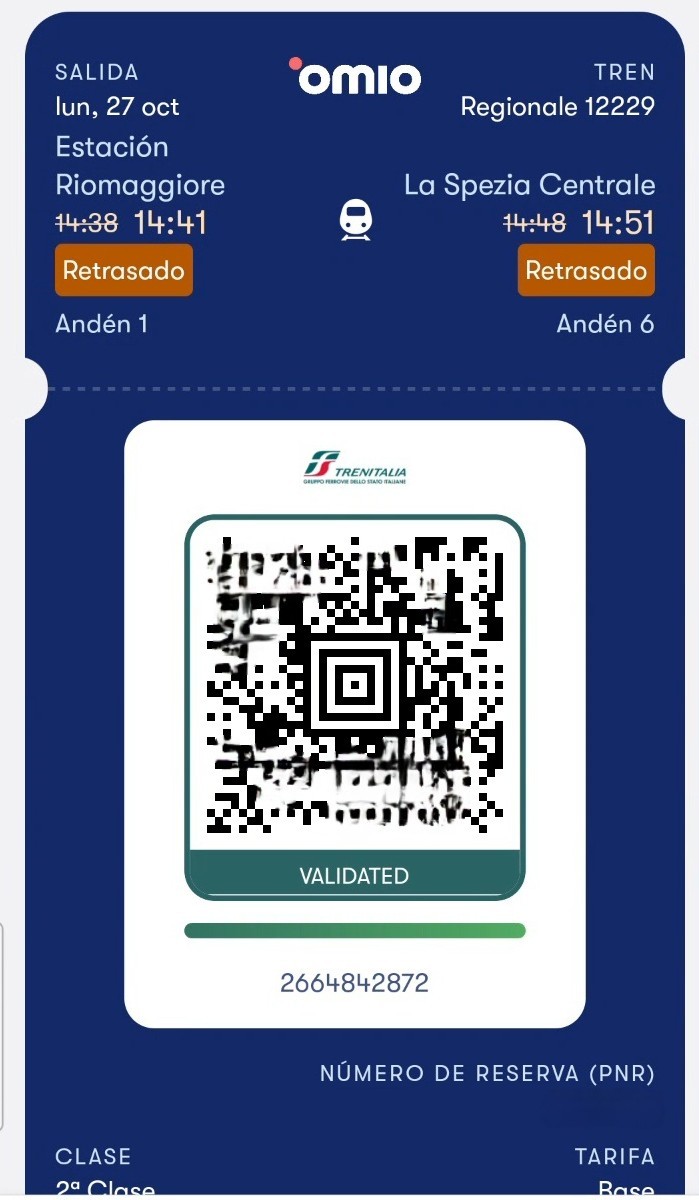
If you purchase digital tickets online (via Omio, Trenitalia, or Italo), paper validation is not required—simply present the QR code on your mobile device to the conductor.
Contactless Payment on Regional Lines
When using contactless cards directly at station validator posts, you must tap BOTH when embarking AND when exiting at your destination. Forgetting to tap out results in penalty charges or maximum line fares.
Pro-Tip at Italian Rail Stations
Do not rely solely on smartphone app notifications while inside stations. Always monitor the official overhead departure boards ("Tabellone Partenze") matching your specific Train Number. Platforms ("Binario") can change at the last minute. Trains are listed by their final terminus, not your intermediate stop (e.g., your train to Florence might be displayed under destination 'Venezia Santa Lucia').
Quick trick: type your train number directly into Google (e.g., "Intercity 551") to track real-time platform updates and intermediate stop timing.
Additional Useful Train Tips:
- Family travel: Children travel free or at discounted rates depending on age tiers.
- Restrooms: Station restrooms require a small fee payable by card or coins. Restrooms onboard long-distance and high-speed trains are free.
- Delays: Partial ticket refunds apply when train delays exceed 30–60 minutes depending on service operators.
- Labor Strikes (*Scioperi*): Occasional transit strikes occur in Italy. Keep an eye on local announcements prior to travel days.
Renting a Car in Italy (Avoid Costly ZTL Fines)
Be extremely careful here—many international travelers receive heavy traffic tickets months after returning home.
🚗 Car Rental: Is It Worth It in Italy?
Renting a car remains one of the most flexible and economical choices when touring countryside regions like Tuscany or traveling in small groups.
We strongly recommend a car for exploring small Tuscan villages. If you decide to rent, compare prices on DiscoverCars to secure competitive rates:
Booking through this link helps unlock lower rates across major providers.
ZTL: Limited Traffic Zones (Zona a Traffico Limitato)
Most Italian historical city centers feature strict ZTL zones restricted to registered local residents. These exist across Rome, Florence, Milan, Pisa, and beyond. Cameras automatically record unauthorized license plates, triggering automatic fines. Even if your hotel is inside a ZTL, you must inform them in advance so they can register your license plate for temporary access during check-in/check-out.
Finally, always carry an International Driving Permit (IDP) alongside your valid national driver's license.