1. Touchdown in Rome: Straight to the Colosseum!
On our first day in Rome, we landed around noon at Leonardo da Vinci Airport (Fiumicino - FCO). After collecting our luggage, we faced our first logistical challenge: getting to the city center on time for our scheduled Colosseum tickets at 3:00 PM.
Having dreamed of this moment for years, not even jet lag or 15 hours of flight could slow us down!
How to get from Fiumicino Airport (FCO) to Rome Termini?
We chose the fastest option to make sure we hit our time slot:
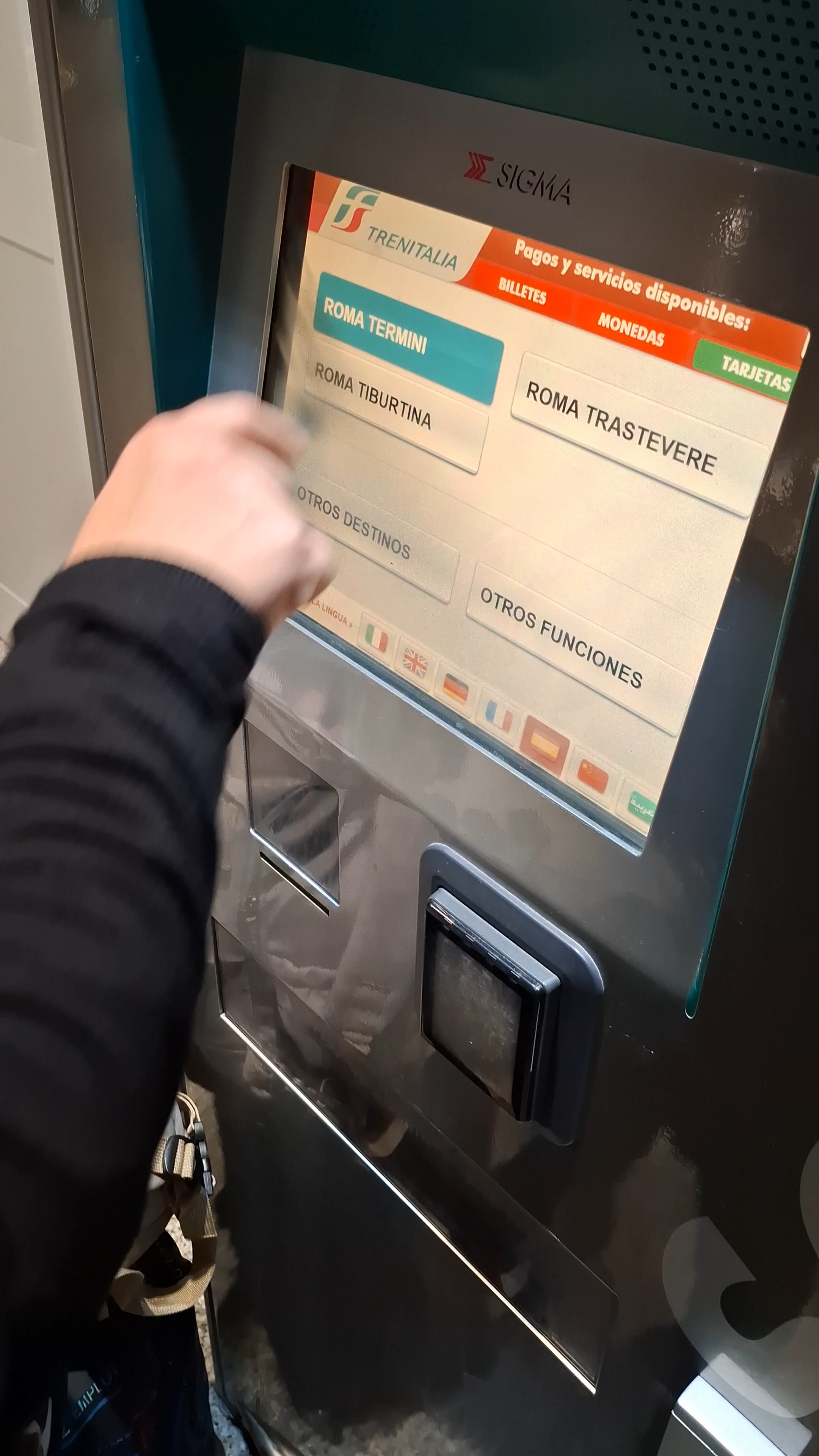
- 🚆 Leonardo Express Train: The most direct, non-stop train service running from Fiumicino Airport to Rome Termini Station.
- Travel time: 32 minutes.
- Cost: Twice as expensive as the airport bus, but much more comfortable, and its speed was essential for our tight schedule.
- Tip: There is an official ticket booth right at the platform. It's one of the few trains that doesn't require advance booking.
Our hotel was located just steps from Termini, making check-in a breeze. We grabbed a quick lunch right there at Antico Vinaio, ticking off one of our "must-do" culinary stops in Italy. After leaving our luggage and visiting a nearby church opposite the station (which we affectionately called "The Lighthouse" due to its large golden saint statue visible from afar), we sprinted toward the metro.
Fiumicino to Termini Transport Alternatives
Other Transfer Options: Options include official taxis or airport buses operated by Terravision, T.A.M, and ROMEAIRPORTBUS.COM. While buses are cheaper, seats are less spacious and transit takes double the time. To compare schedules and book all train and bus options easily, we recommend using Omio.
2. First Sight and Entrance to the Colosseum
We took Metro Line B (direction Laurentina) and paid directly at the turnstiles using a Contactless card 💳. We got off at Colosseo station. What happens next is one of the most emotional moments any traveler can experience:
The moment you step out of the station, there it is. Standing strong since 80 AD, taking you completely by surprise—a truly emotional milestone! The view was instant and breathtaking. Massive, imposing, with two thousand years of history carved into its arches.
Inside the Flavian Amphitheatre
Long lines stretched across the plaza, but since we had printed our tickets (a safe precaution against phone battery issues), our entry was smooth and fast. Passing through airport-style security, the first sight inside is the cross erected by Pope John Paul II in tribute to fallen Christian martyrs.
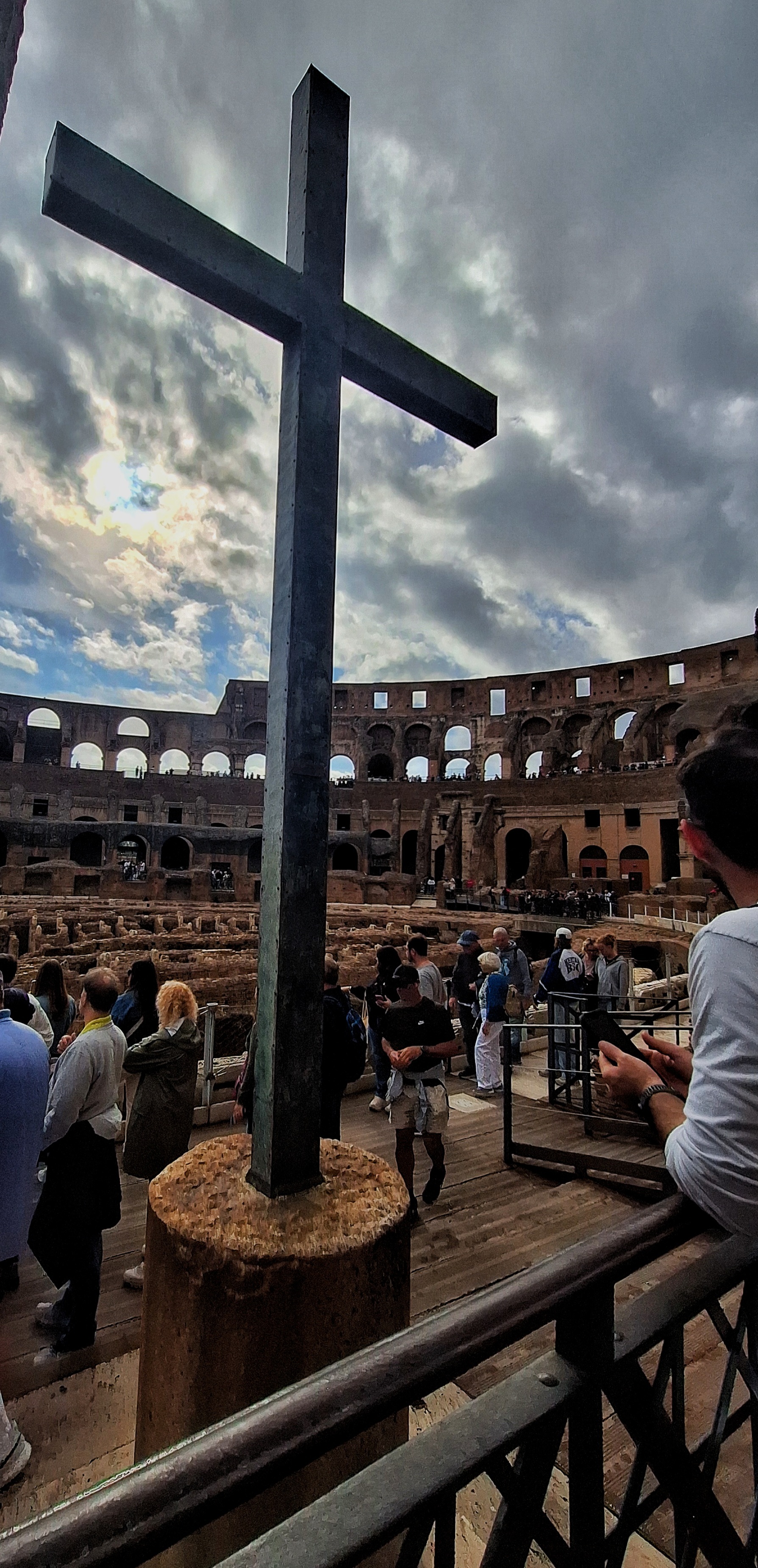
Looking down, you see the partial reconstruction of the Arena floor alongside the impressive exposed subterranean chambers (hypogeum). Ancient Roman crowd management was astonishing: entry was free for 50,000 to 70,000 spectators who held numbered pottery tokens corresponding to specific entry arches. You can still clearly see those Roman numerals carved above the arches today!
We explored every tier, marveling at how awe-inspiring it remains even without its original marble facing, statues, or the giant *velarium* awning that once shaded spectators. Standing in the ring where Roman senators sat is simply unbelievable.
Ancient majesty was paired with a touch of comedy: an unusually large seagull perched proudly along the high ruins, acting for all the world as if it owned the entire Flavian Amphitheatre!
Supporting Apps & Audio Guides for the Colosseum
For our tour, we used the Official My Colosseum App (completely free), which covered key highlights of the monument. There are 3 main ticket tiers: standard entry (which we used), entry with Underground access (*hypogeum*), and entry with High Attic access (*Attico*). All ticket tiers include entry to the Roman Forum and Palatine Hill!
Other great third-party audio guide apps include Izi.Travel and Y&Go.
Prefer an Expert Guided Tour?
If you prefer an immersive, detailed historical experience, we recommend these top-rated guided tour options including priority access to the Colosseum, Forum, and Palatine Hill:
3. Roman Forum & Arch of Constantine
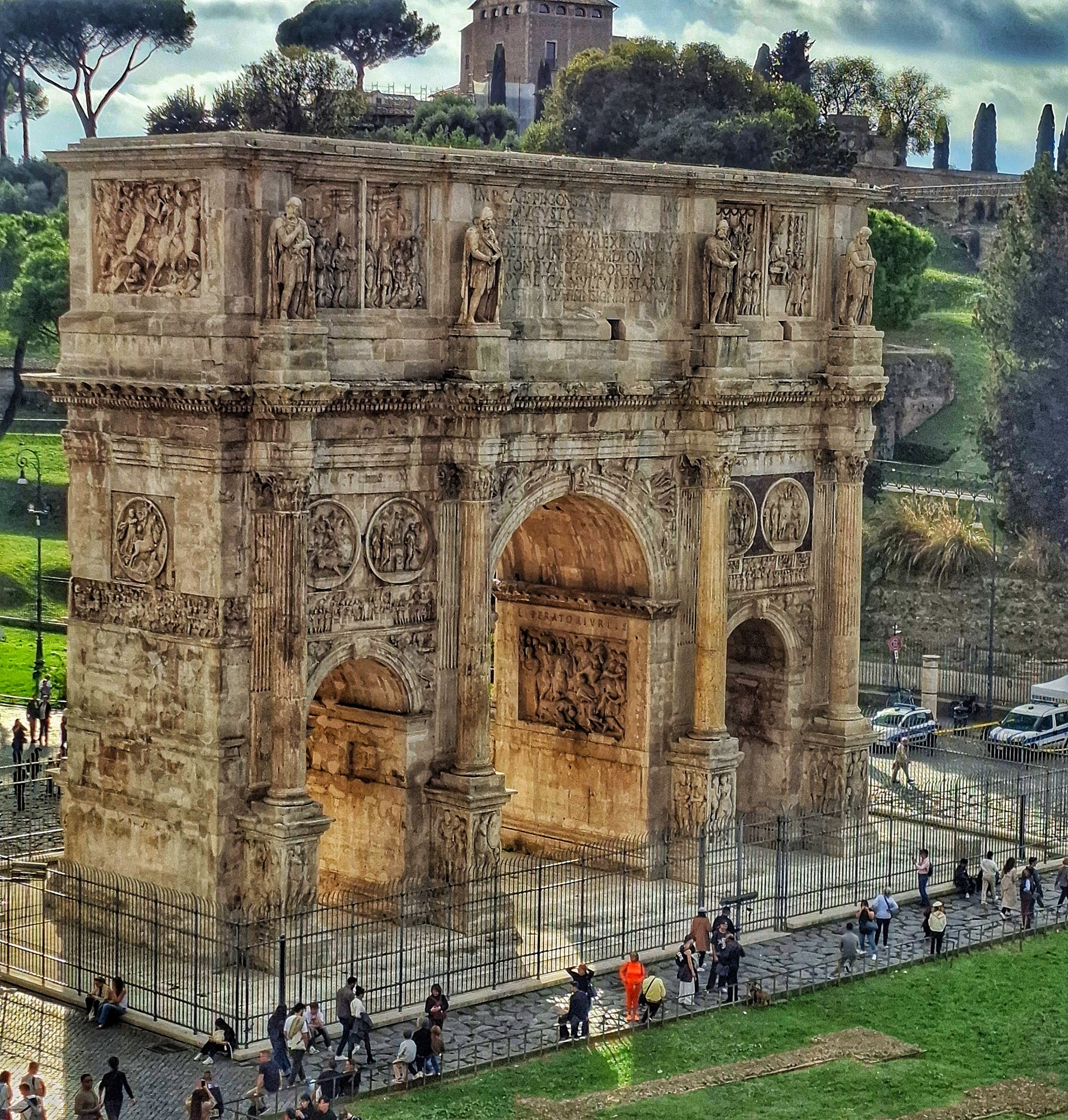
Stepping outside, we faced the stunning Arch of Constantine right beside the Colosseum. Its detailed reliefs are extraordinary—many decorative elements and statues were repurposed from earlier monuments honoring revered emperors, re-carved with Constantine's likeness. You don't need a ticket to admire this landmark!
We refilled our water bottles at local drinking fountains (which offer fresh, cool water) and continued toward the Roman Forum, the ancient heart of Roman public life. A quick tip: politely ignore street vendors offering wristbands or petitions and keep walking smoothly.
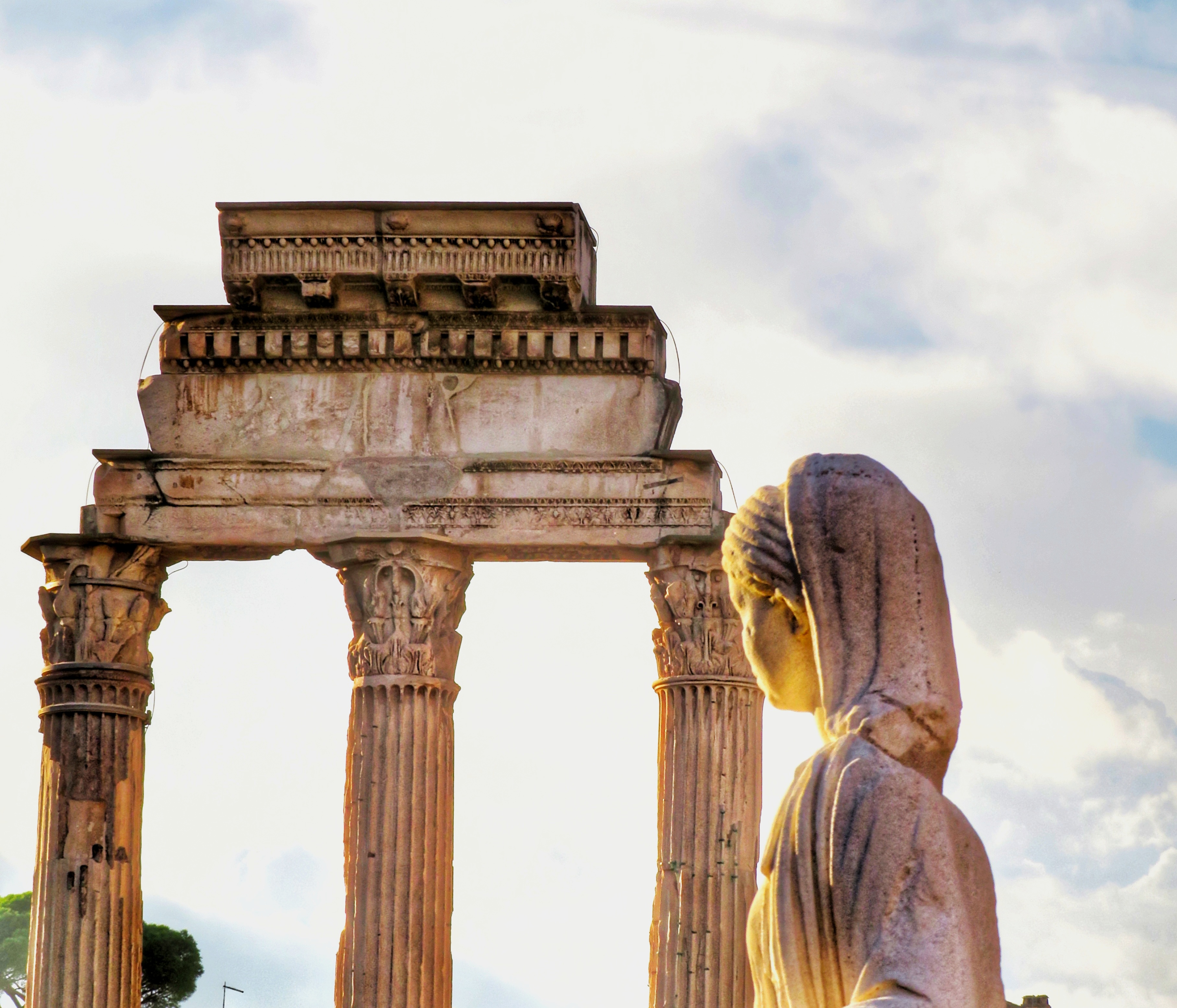
Due to the extensive nature of the ruins, using an audio guide is essential to understand what you're seeing. Highlights include the Arch of Titus, the site of Julius Caesar's cremation, the Via Sacra, the Temple of Saturn, the Basilica of Maxentius, the Temple of Vesta, and the Arch of Septimius Severus.
Useful Audio Guides for the Forum
For the Forum, we used the Official Forum App and the Cesaro app. Cicero is another fantastic free audio guide app covering major landmarks across Rome.
Guided walking tours are highly recommended here to help bring these ancient ruins to life.
Check out these options below (most include free cancellation up to 24 hours in advance): 👇
4. Imperial Fora & The Vittoriano Rooftop (Sunset Views)
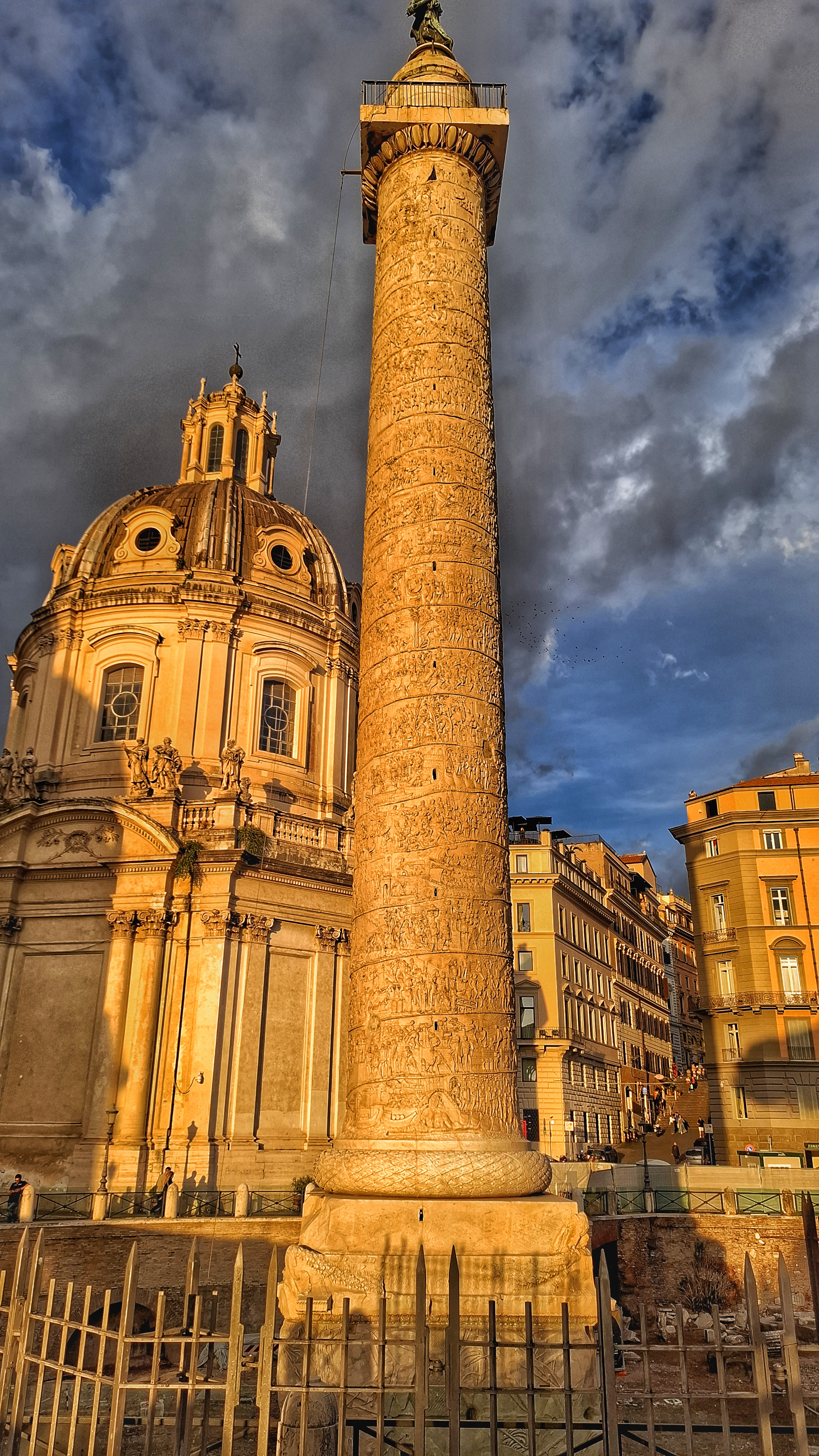
Exiting the Forum connected us directly to the Imperial Fora. We walked toward Trajan's Column, admiring its intricate spiral relief carving depicting Trajan's military victories.
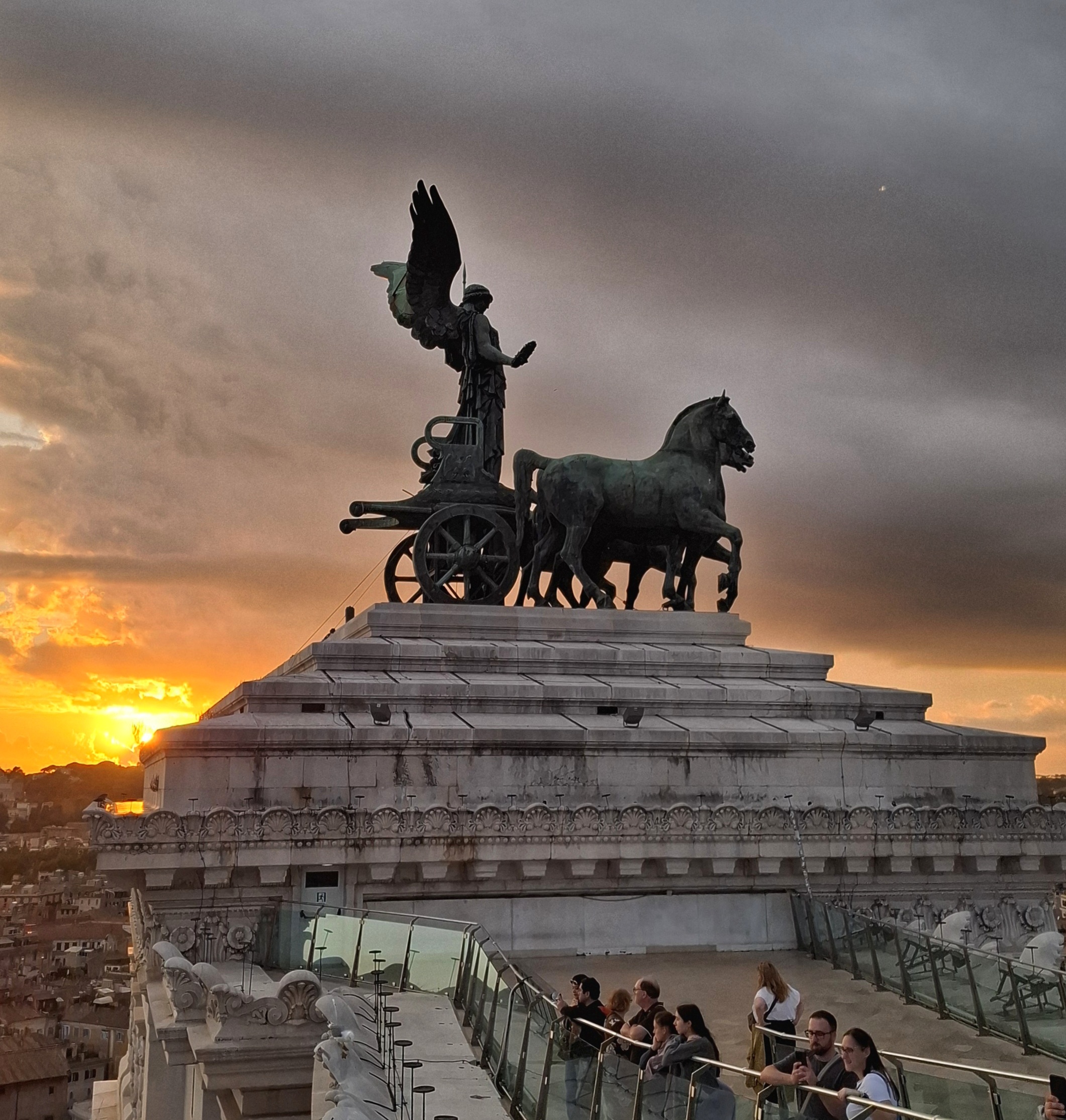
We decided to wrap up our afternoon at the Victor Emmanuel II National Monument, popularly known as the Vittoriano or Altar of the Fatherland.
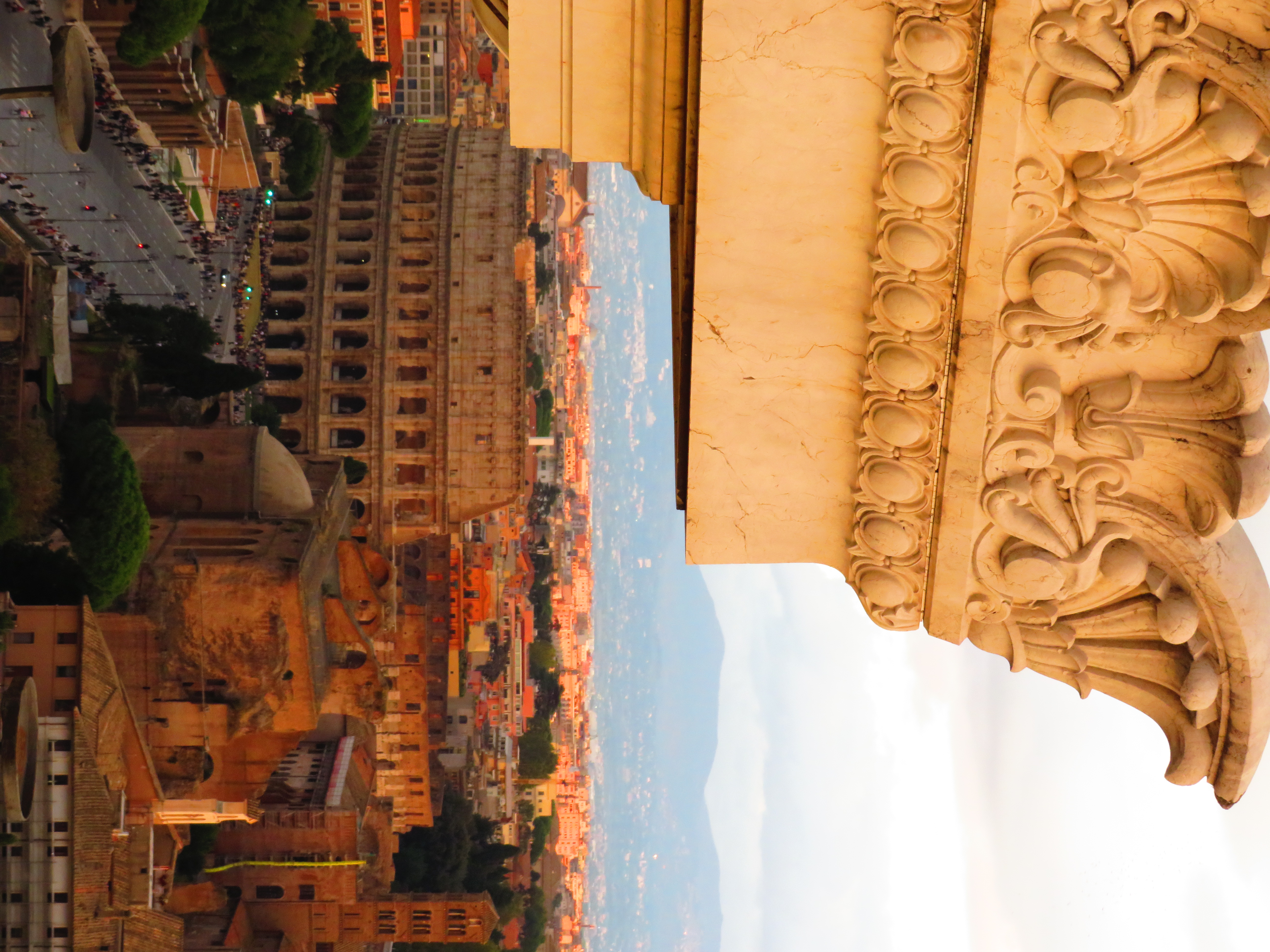
Our plan was to ride the glass elevator up to the top Rooftop Terrace (*Terrazza delle Quadrighe*), which offers one of the best panoramic sunset viewpoints in Rome. Note: while middle terrace levels are free, reaching the topmost rooftop requires a paid ticket, granting unmatched 360-degree views over the Eternal City and the distant Colosseum.
After taking in the spectacular scenery, a light rain began to fall, prompting us to head back to our hotel. Tomorrow morning, our train to Venice awaited!
5. Rome Public Transport Tips & Dinner
We took a city bus back to Termini. Thanks to Google Maps, we realized we had boarded a bus heading in the opposite direction—no worries though, as standard single tickets remain valid for 100 minutes!
How to Pay and Ride Metro/Buses in Rome
Here is a quick summary of essential transport rules learned during our stay:
- Standard Tickets (100-minute, 24h, 48h, and 72h passes): Purchased at tobacconists (*Tabacchi*), newsstands, or metro vending machines. Validate physical tickets in yellow machines on buses.
- Contactless 💳: Tap your contactless credit or debit card directly on readers aboard buses (located near front, middle, or rear doors). Ticket inspectors verify card registrations electronically via handheld scanners.
- Our Experience with Contactless: Initially, card charges didn't show up right away in our banking apps, so we bought a few physical paper tickets for peace of mind before switching fully to contactless.
- Passes & Digital Tickets: Daily or multi-day transit passes can be recharged at station machines, or digital tickets can be purchased via transit apps like Moovit or TicketAppy.
We had a delicious dinner near Termini at Mercato Centrale. Bright and early the next morning, magical Venice was waiting for us!
💡 Traveler Tip: Navigating Italian Transportation
Every Italian city has unique transit rules. In our guide to Getting Around Italy: Public Transport, Trains & Common Pitfalls, we cover high-speed rail, regional trains, and key driving tips.